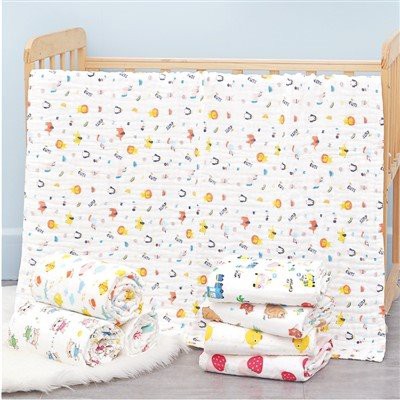





Blankets are everyday household items, but their proper storage and care require some knowledge. Here's a simple introduction to blanket storage and care:
1. Prevent mold. Wool fibers have many micropores, making them ideal for mold growth. Special care must be taken.
2. Prevent moisture. Although acrylic fibers have low moisture absorption and are less prone to mold, the warp yarns of acrylic blankets are generally cotton yarn. When the cotton yarn rots, the blanket is unusable. Therefore, acrylic blankets also need to be protected from moisture and mold.
3. Prevent heat. The surface of blanket fibers contains trace amounts of oil, giving the blanket a pleasant luster and soft feel. If the blanket is frequently exposed to hot and humid conditions, the oil will dry out, affecting its luster and feel.
4. Prevent insects. Wool is a protein fiber, making it an excellent food source for pests. Therefore, insect prevention is important. If you plan to store the blanket in a wardrobe, it's best to spray some insecticide inside the wardrobe first, close the door, let it sit for a while, and then put the blanket in. Also, place a few mothballs wrapped in gauze inside the blanket.
5. Sun protection. Excessive sun exposure will cause the blanket to lose its luster, feel rough, and reduce its elasticity and tension.
6. Dust protection. Dust will affect the blanket's beautiful appearance and is also unhygienic. Furthermore, blankets should not be washed frequently, so dust and stain protection is essential.
7. Pressure protection. Prolonged heavy pressure will deform the blanket, making it stiff and losing its soft feel. It may also cause pilling and creases.