

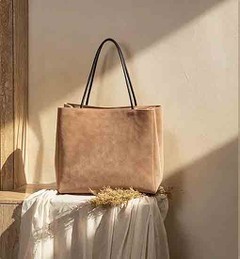


When developing custom crossbody bags for a retail or private-label collection, buyers need to balance appearance, everyday functionality and purchasing requirements. A design that looks good in a product image may still need adjustments to its dimensions, strap length, pocket layout or closure before it is ready for bulk production.
A clear specification helps buyers communicate their requirements and evaluate samples more efficiently. The following checklist covers the main points to discuss when sourcing crossbody bags.
1. Define the Intended Use and Bag Size
Start by deciding what the bag needs to carry and how customers are expected to use it.
A compact crossbody bag may be intended for a phone, wallet and other small essentials. A larger everyday style may require additional storage space or several separate compartments.
Before requesting a quotation, specify:
Overall length, height and depth.
The approximate capacity required.
The expected items to be carried.
The preferred shape and silhouette.
Any size restrictions for the target retail range.
A reference sample, sketch or dimensioned drawing can help communicate the required proportions more clearly than a general description such as "small crossbody bag."
2. Select the Outer Material and Lining
Material selection affects the bag's appearance, weight, hand feel, maintenance and price structure.
Depending on the product concept, buyers may evaluate textile materials such as nylon or other suitable fabrics. The final choice should be based on the intended application, appearance requirements and confirmed material availability.
The lining should also be included in the specification. Buyers should identify the required lining material, color and internal finish rather than assuming that all bags use the same construction.
If the bag needs water resistance, abrasion resistance or other specific performance characteristics, describe the requirement clearly and ask what supporting specifications or test evidence are available.


3. Plan the Pocket Layout and Closure
Internal organization is an important part of a crossbody bag's functionality.
Buyers should decide whether the product needs one main compartment, smaller internal pockets, an external pocket or a dedicated phone compartment. The layout should be checked against the dimensions of the items the intended customer is likely to carry.
Closure details also influence usability and appearance. Confirm whether the design requires a zipper, snap, magnetic closure or another specified option, subject to product availability.
For custom development, mark the pocket positions and opening dimensions on a drawing or sample reference. This reduces the risk of different interpretations during product development.
4. Specify the Strap and Hardware
The strap is a functional component as well as a visible design feature.
Important details include:
Fixed or adjustable strap construction.
Required strap length and adjustment range.
Strap width and material.
Attachment method and reinforcement.
Hardware color, finish and operation.
If the bag is expected to carry a particular load, communicate that requirement before sampling. Strap attachment strength and other durability expectations should be agreed upon and verified rather than assumed from appearance alone.
5. Confirm Color, Branding and Packaging
For retail and private-label projects, appearance consistency matters across product samples, bulk orders and related styles.
Buyers should provide clear color references and confirm whether the design includes printed graphics, labels, branded tags or customized packaging. Each requested option should be checked for availability, cost and any applicable minimum order requirements.
If several bag styles belong to one collection, establish shared design elements such as hardware finish, label placement or color references where appropriate.
6. Approve the Sample Against a Written Specification
Before moving into bulk production, review the sample against the agreed requirements.
A practical review can cover:
Overall dimensions and shape.
Material appearance and lining.
Pocket positions and usable space.
Zipper and hardware operation.
Strap adjustment and attachment.
Stitching and finishing.
Labels, packaging and presentation.
Record any changes clearly and ensure the final approved version reflects those changes. This gives the buyer and supplier a consistent reference for the next stage.
7. Prepare a Crossbody Bag Inquiry
A well-prepared inquiry helps the supplier understand the project without repeated requests for missing information.
Include the intended bag style, target dimensions, material preference, color reference, pocket layout, branding requirements, estimated quantity and expected delivery schedule. If some specifications remain undecided, identify them as open items for discussion.
Lenge Homeware lists crossbody bags within its bags product range, alongside handbags and backpacks. Buyers can review the available range and discuss whether an existing style or a product-development brief is the better starting point.
Planning a crossbody bag collection? Explore Lenge Homeware's product range and send your target dimensions, design references and estimated order quantity to discuss your requirements.