



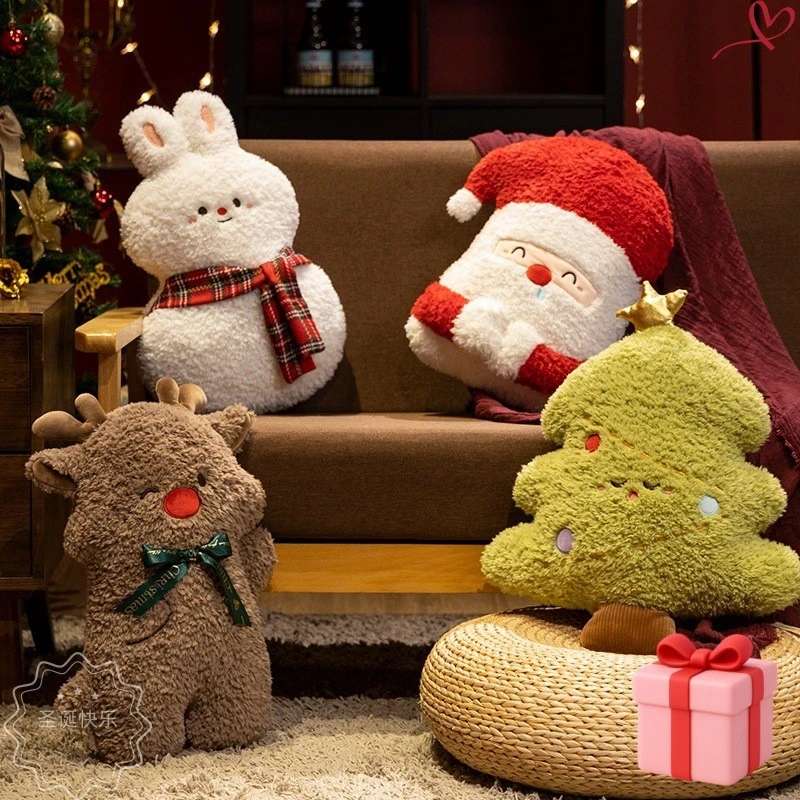
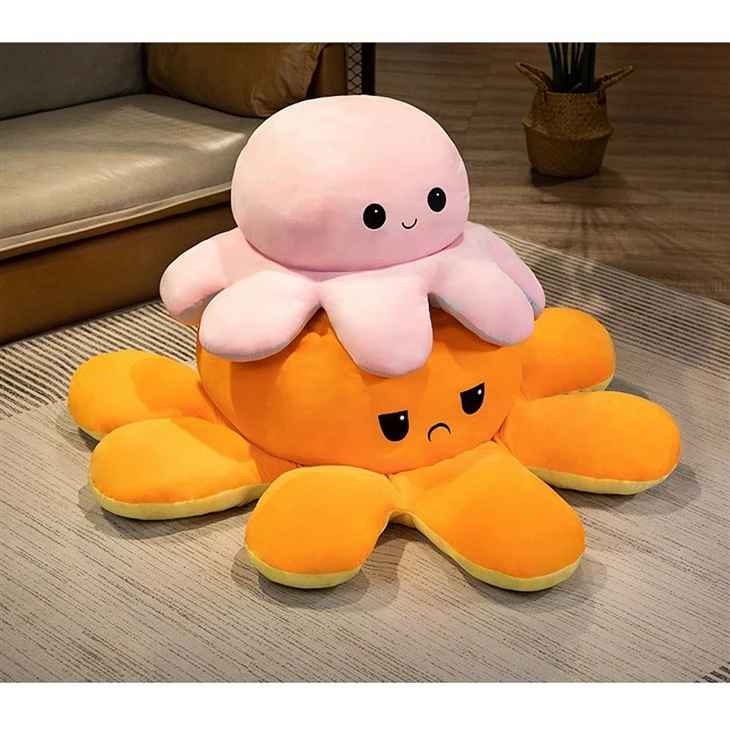
A decorative cushion is no longer expected to be square. Retail shelves and social feeds are full of cushions shaped like fruit, animals and cartoon characters, and for good reason: a shaped cushion sells on sight, photographs well, and carries a margin that a plain square cushion struggles to hold.
The difficulty is not the idea. It is finding a factory that can turn a shape into a repeatable, safe, freight-efficient product. This guide explains how shaped cushions are actually developed, what drives cost, and which compliance questions to settle before sampling.
1. Why Shaped Cushions Outperform Standard Ones
Three commercial reasons, beyond novelty:
Higher perceived value. A customer comparing a square cushion to an avocado-shaped one does not compare them on price per square inch. The shaped item sits in a gift or impulse bracket.
Social shareability. Shaped home decor generates user photos, which is free distribution for retail brands.
Lower direct price comparison. When a shape is original to your brand, shoppers cannot find the identical item cheaper elsewhere.
The trade-off is development. A shaped cushion needs a pattern, a sample round, and usually a safety test - none of which a generic supplier is set up to handle.
2. From Sketch to Pattern: How Development Works
Most shaped cushion programs follow the same five steps:
Design input - a sketch, a reference photo, or an existing product with requested changes.
Pattern development - the 2D shape is engineered so the 3D sewn result holds its silhouette after filling.
First sample - hand-cut, usually in a substitute fabric to check proportion.
Revision - proportion, seam placement and filling density are adjusted. This round is normal and should be budgeted for.
Pre-production sample - made in final fabric and filling, used to lock the specification and quote.
Buyers often ask why the first sample does not look exactly like the reference image. The usual answer is filling density: a shape that looks crisp in a rendering collapses once stuffed, so the pattern is over-engineered to compensate.



3. Material and Filling: What to Specify
|
Component |
Options |
What it changes |
|
Shell fabric |
Velvet / plush, corduroy, canvas, knitted cotton |
Hand-feel, print clarity, price point |
|
Filling |
Polyester fiber, PP cotton, foam particles |
Shape retention and how firm the cushion feels |
|
Detail work |
Embroidery, appliqué, printed face |
Facial expression accuracy, unit cost |
|
Closure |
Sewn closed, hidden zipper |
Whether the cover is removable and washable |
Filling is the most commonly overlooked cost driver. Higher fill density holds shape better in photography but increases both material cost and volumetric weight - which shows up in freight.
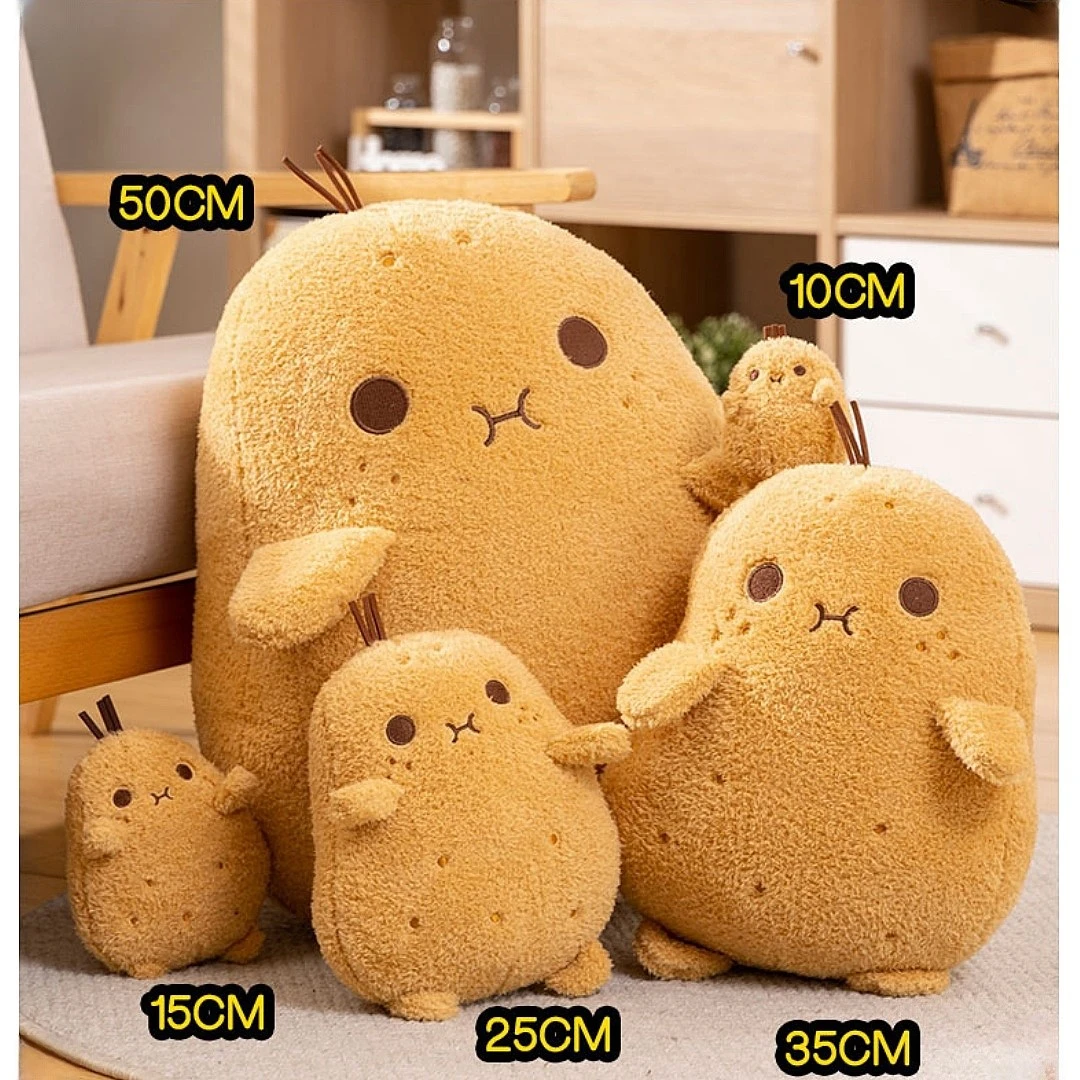
Browse the range we currently run: fruit-shaped pillow throws, cute cat plush pillow, potato plush pillow, avocado and Halloween ghost plush pillow, capybara stuffed plush pillow, and astronaut plush throw pillows. Each of these began as a buyer's reference image.
4. Compliance: The Question Buyers Forget to Ask Early
A cushion shaped like a toy is often classified as a toy, not as home textile. That changes the documentation your market requires:
EU: EN 71 toy safety testing, plus REACH on dyes and fillings.
US: CPSIA, including tracking labels and third-party testing for children's products.
General: OEKO-TEX Standard 100 on the fabric is the baseline most retailers ask for regardless of market.
Ask your supplier two direct questions: have you produced to EN 71 or CPSIA before, and can you provide a test report from a named laboratory. A factory that has done it will answer immediately with documents; one that has not will answer with assurances.
This matters most for lines aimed at children. Our stuffed toy horse and bedding for children both sit in that category, and we treat documentation as part of the specification rather than an afterthought.
5. Cost Drivers You Can Actually Control
Four variables move the unit price on a shaped cushion:
Number of fabric panels. More panels means more cutting and sewing. Simplifying a shape by one panel can cut labor meaningfully at volume.
Embroidery coverage. Facial features are priced by stitch count. A printed face is cheaper; embroidery reads as higher quality.
Fill density and volume. This is where freight surprises buyers - plush shapes are light but bulky.
Number of colorways. Each new color adds a fabric minimum, not just a dye lot.
A useful exercise before quoting: decide which of the four you can flex. Most first-time buyers can reduce panel count and colorways without any visible difference to the customer.
6. Seasonal Programs and Lead Time
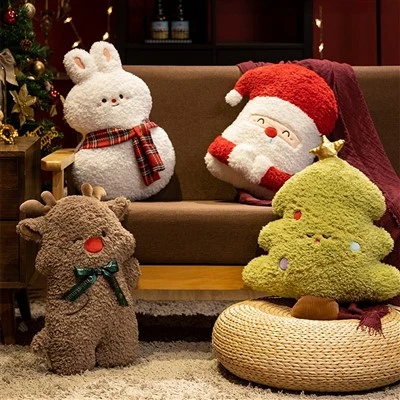
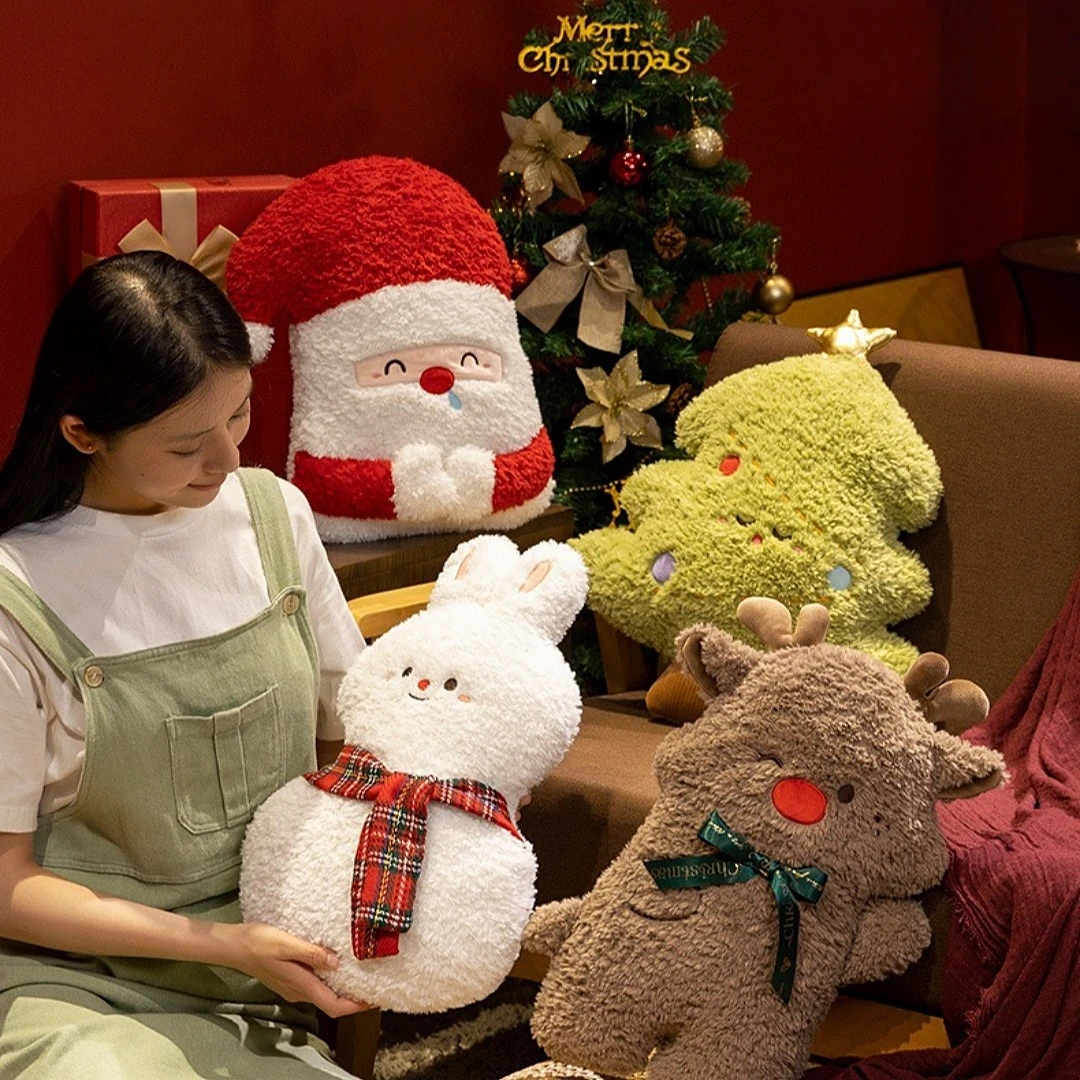
Shaped cushions cluster around two selling windows - Halloween and Christmas - which means production capacity tightens in the months before each. A Christmas decorative pillow program that starts development in September is competing for the same workshop slots as every other buyer.
Practical guidance: begin development 4–5 months ahead of the selling window, and approve samples at least 90 days before you need stock on the water. If you are planning a seasonal range, tell your supplier the on-shelf date rather than asking for "the fastest lead time" - the answer changes what is achievable.
7. Building a Range Rather Than a Single SKU
Most successful novelty programs do not stop at one shape. Once the pattern and fabric are set, adjacent shapes share the same supply chain, and the second SKU develops faster than the first.
We develop custom shaped pillows alongside flat cushions, supporting OEM and ODM work across the whole decorative cushion range - from pattern development through to custom labeling and retail packaging. See our customization process for how a brief is structured, or browse the full cushion collection for current constructions.
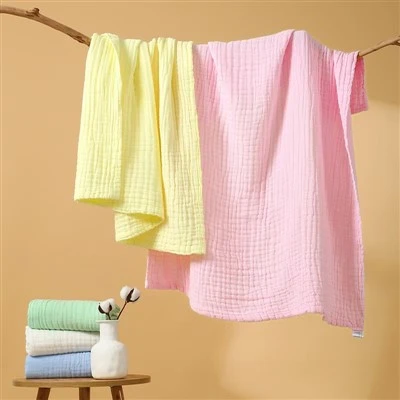
Buyers also frequently pair cushions with blankets and throws for a coordinated home decor collection - a combination that shares fabric direction and reduces per-SKU sampling cost.
FAQ
Q: Can you develop a cushion from a drawing or a single photo?
A: Yes. A clear reference image with approximate dimensions is enough to begin pattern development.
Q: What is the MOQ for a custom shaped cushion?
A: It depends on fabric, filling and how many panels the shape requires. Share your target quantity and we will confirm what is workable rather than quoting a fixed minimum.
Q: Do shaped cushions need toy safety testing?
A: Often yes, particularly if the item is marketed to children. We will tell you which standard applies to your market before sampling begins.
Q: How many sample rounds should I plan for?
A: Two is normal - a proportion sample and a pre-production sample in final materials.