



For home textile brands, retailers and wholesalers, product development often involves more than selecting a finished item from a supplier catalog. Fabric composition, dimensions, colors, patterns, packaging and product combinations all need to match the requirements of the target market.
Lenge Homeware works with international customers on customized textile products including blankets, towels, cushions, scarves, bags, bedding and other home textile items. The product development process can start from an existing product, a customer design, a reference sample or a new product concept.
Start with the Product Category and Market Position
The first step is to define the role of each product within the collection.
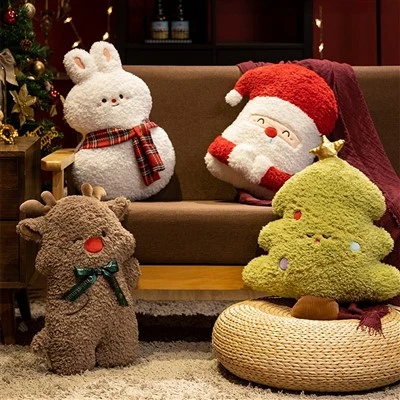
A blanket may be developed as a seasonal home comfort product, while a cushion can be used as a decorative item. Towels may be developed for bathroom, sports, beach or hospitality applications. Scarves and bags can be positioned as fashion accessories or complementary textile products.
Defining the product category first helps determine the appropriate material, construction, size and finishing requirements.
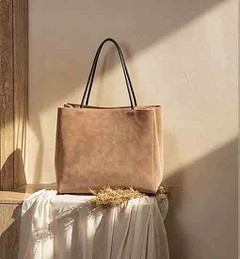
Lenge Homeware currently supplies a range of textile categories including fleece blankets, cotton blankets, decorative cushions, cotton towels, sports towels, beach towels, handbags, crossbody bags, backpacks, silk scarves, wool scarves, cotton linen scarves and bedding products.
Confirm Material and Construction
Material selection affects product weight, hand feel, appearance, care requirements and final positioning.
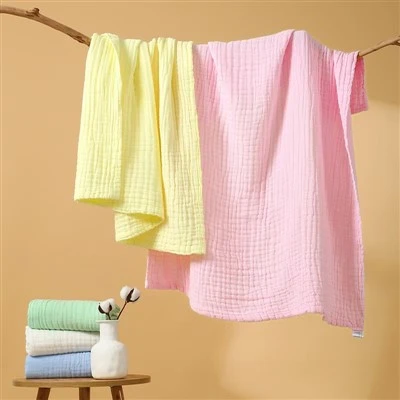
For example, cotton products can be specified according to fabric construction, weight, texture and finishing. Fleece blankets require consideration of fabric weight, surface treatment, dimensions and edge finishing. Bedding products require additional attention to fabric density, dimensions, closure details and set configuration.
For buyers developing a private-label collection, material specifications should be confirmed before production rather than relying only on product photographs.
Develop the Product Around Your Design
Customization can involve more than adding a logo.
Depending on the product, buyers can discuss:
Product dimensions
Fabric and material
Colors
Patterns
Printing
Embroidery
Edge finishing
Labels
Packaging
Product sets
Individual product details
For example, a bedding collection can be developed as a coordinated set rather than as individual products. A current Lenge Homeware bedding product includes duvet covers, a flat sheet and pillowcases, with different size options and digital printing.
This type of product configuration allows buyers to develop products around their own retail requirements.
Use Existing Products as Development References
Not every project needs to begin with a completely new design.
An existing product can be used as the starting point for a customized version. Buyers can provide a reference product, sample, drawing or specifications and then discuss the required material, dimensions, colors and finishing details.
This approach is useful when a retailer already has an established product range and wants to develop additional colors, sizes or designs without changing the basic product structure.
Coordinate Multiple Product Categories
A home textile supplier can also support buyers who need several related product categories.
Instead of sourcing blankets, cushions, towels, scarves and bags separately, buyers can coordinate product development and communication through one supplier.
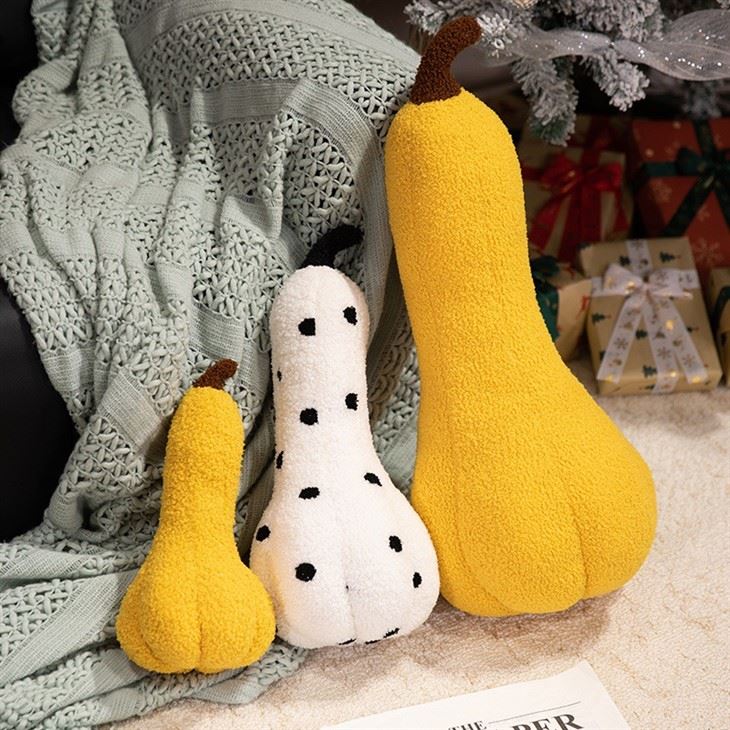
Lenge Homeware's product range covers blankets, cushions, towels, bags, scarves and home décor categories, allowing different textile products to be developed within the same sourcing program.
For brands preparing seasonal collections, this can simplify sample communication, specification confirmation and order coordination.


Confirm Production Details Before Bulk Ordering
Before bulk production, buyers should confirm the final specifications for each product.
Important details may include:
Material composition
Product dimensions
Fabric weight
Color reference
Printing or embroidery
Stitching and finishing
Label requirements
Packaging
Carton configuration
Quantity
Delivery requirements
Clear specifications reduce differences between the approved sample and the final production batch.
Product Development for Different Markets
Home textile requirements vary between markets.
European and North American buyers may have different preferences for colors, dimensions, fabric compositions, packaging and product labeling. Retail channels can also influence product requirements. A product developed for an online retailer may require different packaging from one intended for a department store, hotel supplier or promotional distributor.
For this reason, product development should be based on the buyer's actual sales channel and target market rather than using one standard configuration for every customer.
Custom Home Textile Development with Lenge Homeware
Lenge Homeware was established in 2020 and focuses on the design, production and sales of textile products. The company provides customization services for product design and production and supplies products across several home textile and outdoor textile categories.
For buyers with an existing design, reference sample or product requirement, the project can be discussed around material, construction, dimensions, finishing, packaging and quantity.
Contact Lenge Homeware with your product requirements to discuss sample development and production options.